


Should You Repair an Uneven Sidewalk Slab or Replace It Completely?
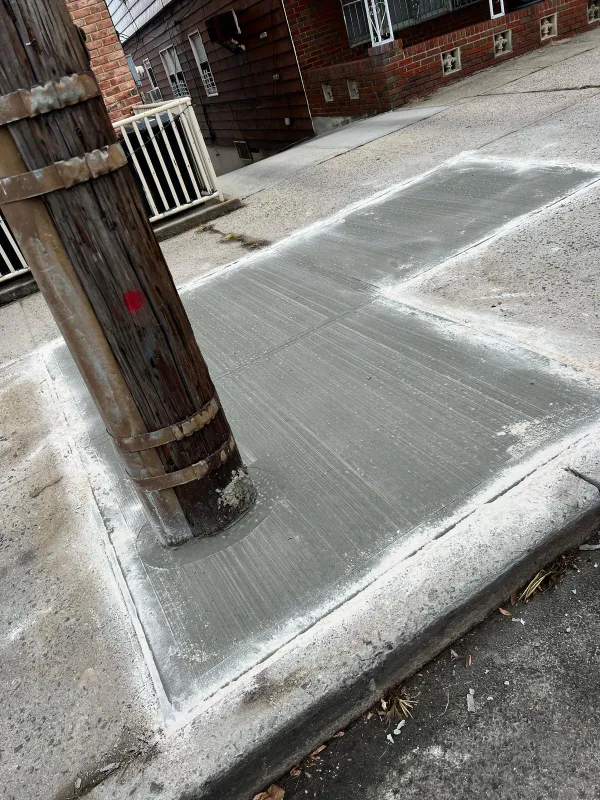
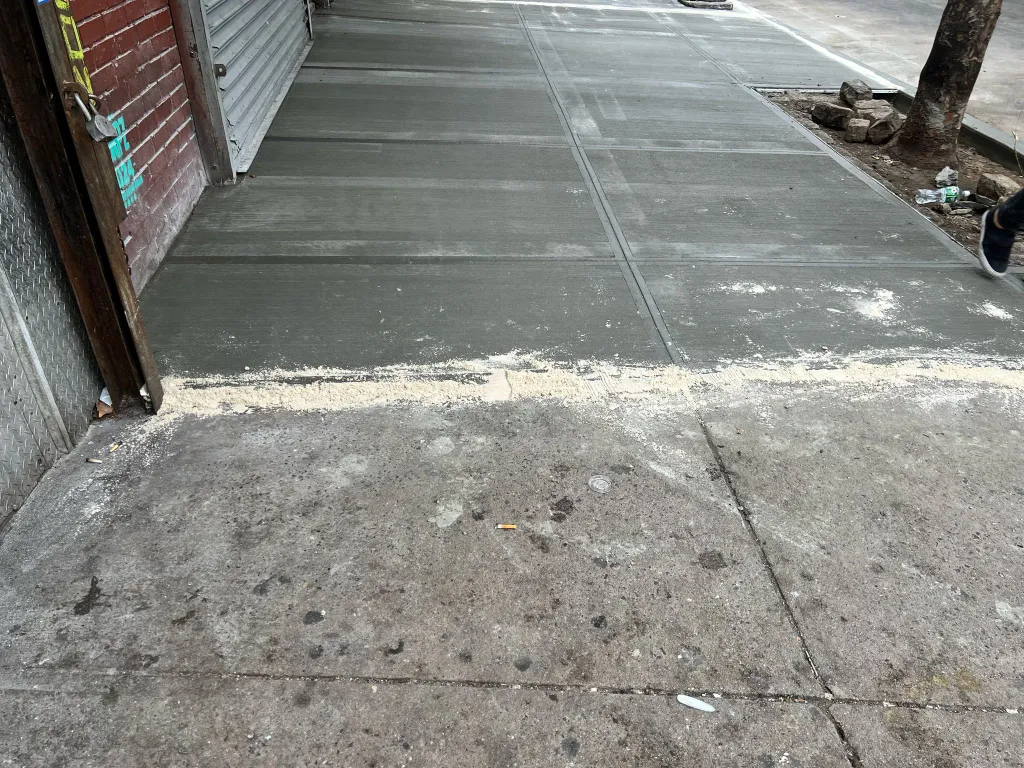
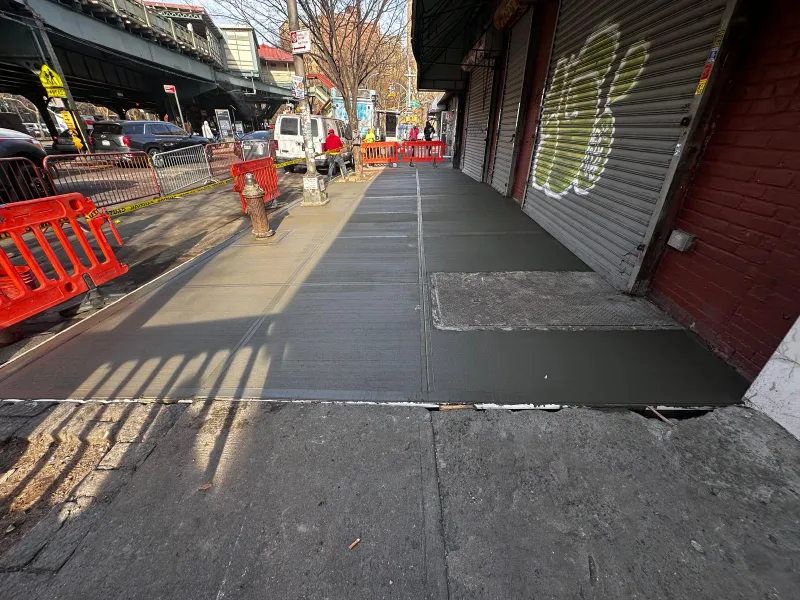
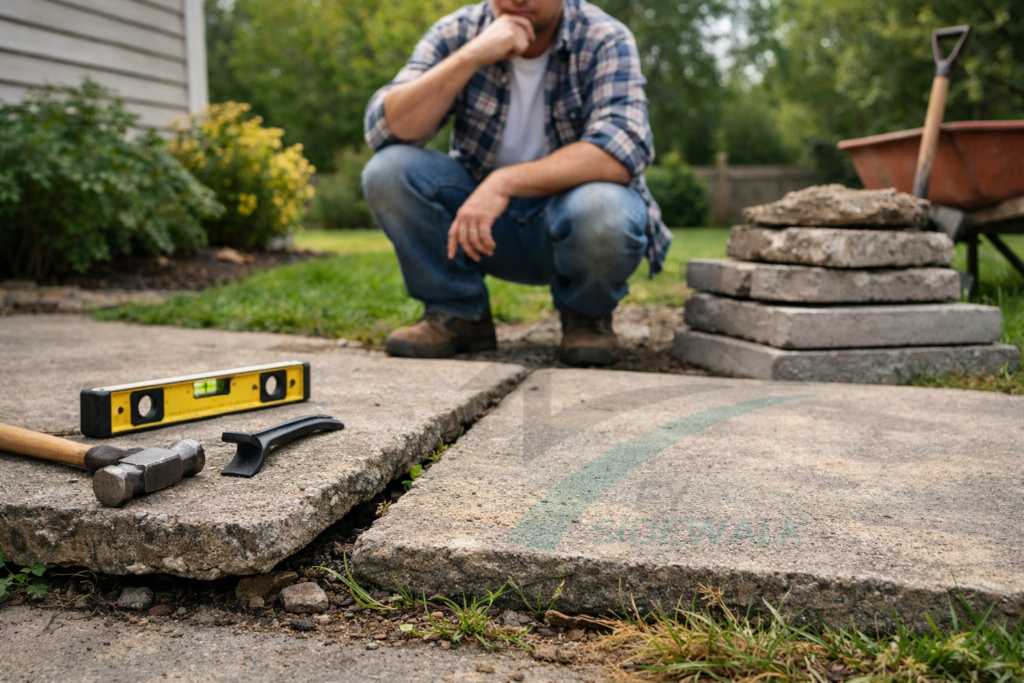
You should choose a repair if your sidewalk slab is still strong underneath, even if it has a few cracks. Repair methods like lifting the slab or smoothing the surface are usually faster, cheaper, and much less disruptive than tearing everything out. These fixes work best when the slab has moved slightly because the soil shifted, or when weather changes like freezing and thawing caused the slab to sink. However, if the concrete slab is badly damaged, with large cracks, broken edges, or pieces that are uneven and falling apart, repairs won’t last. In those cases, replacing the entire slab is the safest and most reliable option. When damage goes that far, only a full replacement can provide a solid and long-lasting surface. At FY Sidewalk, we’ve seen all kinds of sidewalk problems over the past twenty-five years. We understand how confusing it can be to decide whether a slab is worth fixing or if it really needs to be replaced. That’s exactly why we created this guide: to help you clearly understand when a simple repair will do the job and when a full replacement is the smarter choice. Let’s break it down. When to Repair an Uneven Slab If your concrete looks worn but not completely broken, repairs can save you time, money, and stress. Here are the situations where repairing makes the most sense: Minor Settling Sometimes a slab sinks a little because the ground underneath shifts. If the concrete is still solid and not cracked all the way through, this is usually an easy fix. Repair methods like mudjacking or foam lifting raise the slab back to its original level, making it safe and even again. There’s no need to break or remove the concrete; just lift it, fill the space below, and you’re done. Many people think any uneven slab needs to be replaced, but small settling issues are actually one of the easiest problems to fix. Surface Wear Light cracks, small chips, or faded color don’t always mean the concrete is failing. If the slab is still strong, these surface problems can be fixed with crack filling, patching, or resurfacing. These repairs improve the look and safety of the sidewalk without replacing it. In many cases, a new surface layer can make an old slab look almost brand new, at a much lower cost than pouring new concrete. Structural Soundness The most important question is simple: does the slab still feel solid? If the slab feels firm and stable, repairs are a safe and smart option. You’re fixing small issues before they turn into big problems, not covering up serious damage. Overall, repairs are ideal when you want a quick, affordable solution that makes your sidewalk level, safe, and good-looking, without the noise and mess of a full replacement. Think of repairs as basic maintenance that keeps small problems from getting worse. When to Replace the Slab Completely There are times when repairs just won’t work. If the concrete is too damaged, replacing the slab becomes the better and more cost-effective choice. Crumbling or Surface Flaking If pieces of concrete are coming off easily, or the surface is peeling away in layers, the slab has become weak. Trying to patch this kind of damage is only a short-term fix. The concrete no longer has the strength needed to support repairs. In these cases, replacement is the only way to make sure the sidewalk is safe and durable again. Large and Spreading Cracks Small cracks are normal and usually harmless. But big or deep cracks more than ¼ inch that run across the slab, or several cracks that connect, are signs of deeper problems. These cracks often mean the slab or the ground beneath it is failing. Filling these cracks won’t stop future movement. Replacing the slab allows contractors to start fresh with a stable base and properly poured concrete. Problems with the Base If the soil under the slab has washed away, was never packed properly, or keeps moving, repairs will never last. Even strong concrete will crack and sink without proper support. Replacing the slab gives contractors the chance to rebuild the base correctly, improve drainage, and make sure the new concrete has solid ground beneath it. Old Age and Heavy Use Concrete doesn’t last forever. If a slab is very old and has been repaired many times, replacement can be cheaper in the long run. Constant patching adds up and often doesn’t look good. New concrete lasts longer, looks cleaner, and uses modern materials that handle weather and wear much better. Replacement is the right choice when you want a strong, safe sidewalk that won’t need constant fixes. It costs more at first, but it saves time and money later. Why the Right Choice Matters Choosing the wrong option may result in higher cost. That’s why it’s best to have experienced sidewalk professionals like FY Sidewalk inspect the slab first. A trained eye can quickly tell whether a repair will last or if replacement is the smarter move. The goal is always the same: a safe, level sidewalk without spending more than needed. Conclusion Sidewalk slabs are strong, but they don’t last forever. If the slab is only slightly uneven or has minor surface damage, repairs are usually the fastest and most affordable solution. But if the damage is deep, widespread, or caused by problems underneath, replacement is the only fix that truly lasts. Think of repairs as a simple tune-up and replacement as a fresh start. Both have their place, and choosing the right one helps keep your sidewalk safe for years to come. If you’re unsure what your slab needs, contact FY Sidewalk for a quick consultation. Our experienced team will help you understand your options and choose the solution that offers the best long-term value.
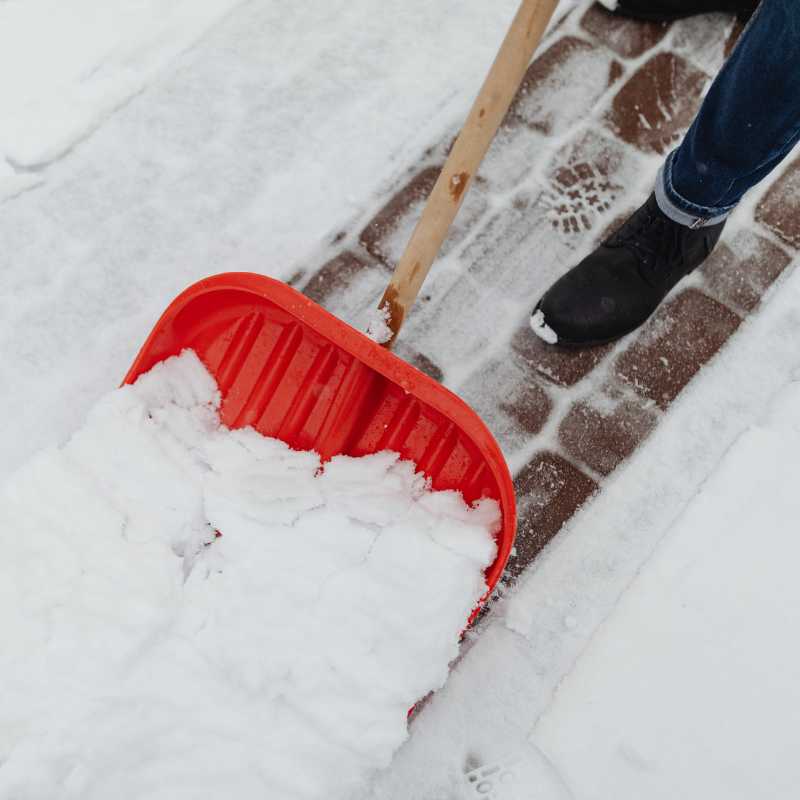
10 Sidewalk Snow Removal Mistakes That Lead to Major Damage
Winter in New York City can be rough on sidewalks. Snow comes fast, it melts, it freezes, and it puts real stress on concrete. Many property owners try to clear the sidewalk as best as they can, but small mistakes often lead to cracks, loose slabs, and long term damage. As an experienced contractor from FY Sidewalk, I have seen these problems again and again. Most of them are easy to avoid once you understand what causes the damage in the first place. Below are the ten most common mistakes that I see during winter. Each one looks small at first, but it can easily lead to costly repairs when spring comes around. 1. Waiting too Long to Clear the Snow The longer snow sits on concrete, the harder it becomes. Once it melts a little and freezes again, it turns into thick ice. That ice sticks to the surface and is very hard to remove. When you wait too long, you end up using more force, and that often damages the concrete. It is always better to clear snow early while it is still light and loose. 2. Using too Much Rock Salt Many owners think more salt means faster melting. That is not true. Too much salt can eat into concrete and weaken it over time. It also gets into small cracks, melts the snow, and then freezes again. This freeze and thaw cycle expands inside the concrete and causes even bigger cracks. A light layer is enough, or you can use a safer product like calcium chloride. 3. Using Metal Shovels that Scrape the Sidewalk Metal shovels can leave deep scratches. These scratches turn into weak spots when the temperature drops. Water fills those tiny lines, then freezes, and then expands. This causes chips and surface flakes. A plastic shovel or a shovel with a rubber edge is safer and still works very well. 4. Piling Snow Near the Building Wall Many people push the snow right against the wall to keep the main walkway clear. This may look fine at first, but the melting water can run into the base of the building. This can lead to leaks, mold, or cracks along the foundation. Keep snow piles a little away from the wall so melting water can flow safely away. 5. Pushing Snow into the Street Some owners think they can move snow onto the road to get it out of the way. This causes problems for drainage and can create a sheet of ice when cars push snow back toward the sidewalk. It also goes against city rules. Snow should be moved to a safe spot on the property, not the street. 6. Forgetting Curb Cuts and Sidewalk Edges Most slips happen near the curb or the edge of the sidewalk. People step down to cross the street and hit a hidden layer of ice. Many owners only clear the middle of the sidewalk and ignore the edges. Always clear the curb area, the corner, and the spot where water often collects. 7. Letting Melted Water Pool on the Surface When snow melts during the day, the water needs a clean path to drain. If it pools on the sidewalk, it will freeze again overnight. This makes the surface slippery and also pushes pressure into the concrete. Keep small channels open so water can run to the street drain without trouble. 8. Chipping Ice With Sharp Tools Some owners try to break ice by hitting it with a hard tool. This gives the ice a good hit but also cracks the sidewalk. Concrete is strong, but not against sharp impact. It is better to loosen ice with warm water or a small amount of de-icing product, then lift it gently with a flat shovel. 9. Not Checking the Sidewalk After a Storm Many people clear the snow once and think they are done. Snow often melts and refreezes for several days after a storm. This creates new ice that you may not notice right away. A quick check each morning can prevent slips and help you spot early signs of damage. Little cracks can be fixed before they grow larger. 10. Ignoring Warning Signs of Concrete Damage During winter, concrete can show early signs of trouble. You may see thin cracks, light flaking, or small raised spots. These signs mean the sidewalk is under stress. If you ignore them, they turn into major problems. As a contractor with FY Sidewalk, I can say that early repairs always save money. Quick fixes prevent full slab replacements later. Final Advice From a Contractor Keeping your sidewalk safe in winter is not hard. The key is to act early, use the right tools, and understand how snow and ice affect concrete. Snow removal is not only about clearing a path. It is also about protecting the sidewalk from long term damage. When you avoid these common mistakes, your sidewalk stays safer and stronger through the cold months. If you notice cracks, loose spots, or repeated ice in the same area, it may be a sign of deeper issues. A quick inspection from a sidewalk professional can help you understand the cause and the best fix before things get worse.
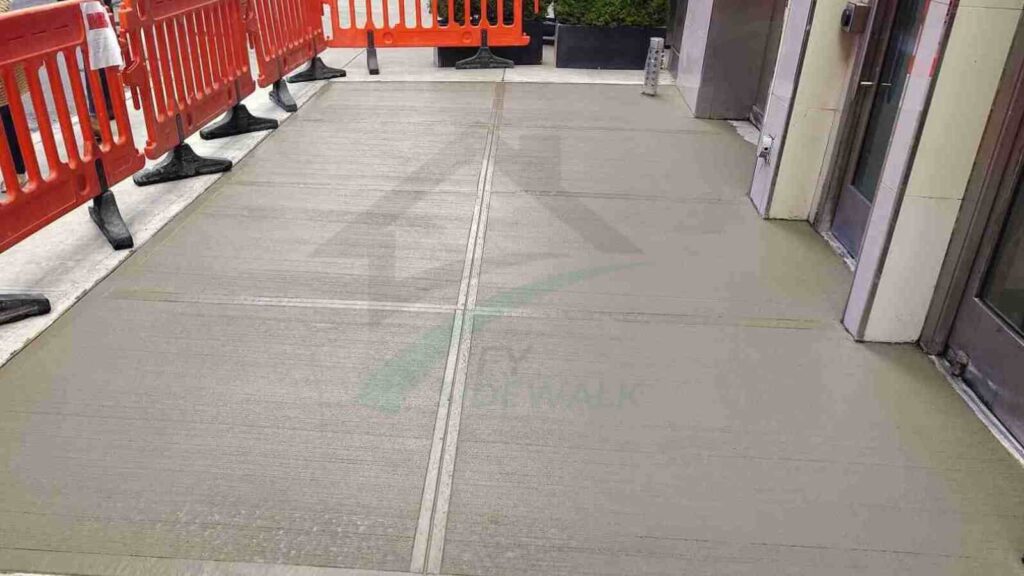
Why Are Sidewalks Built in Slabs Instead of One Continuous Pour?
Ever notice how sidewalks are divided into neat squares or rectangles, with thin lines running between them? Maybe you’ve wondered why we don’t just pour the whole thing as one big, smooth stretch of concrete. It seems like it would look cleaner, right? Well, there’s a very good reason sidewalks are built in slabs instead of one continuous pour—and it’s not just about looks. Those lines you see aren’t random decorations. They’re actually expansion joints, and they play a big role in keeping your sidewalk safe, stable, and long-lasting. Think of them as tiny safety breaks that allow the concrete to move, breathe, and handle the chaos of weather, weight, and time. Let’s dig a little deeper into why sidewalks are designed this way, and what would happen if we didn’t build them in slabs. Concrete Isn’t as Solid as It Looks Concrete feels like the toughest thing in the world. Once it sets, it’s rock hard, you can drive on it, walk on it, even build skyscrapers over it. But here’s the secret: concrete actually moves. It may not wiggle or bounce, but it expands and contracts as temperatures rise and fall. On a hot summer day, the concrete in your sidewalk expands as it absorbs heat. When the temperature drops at night or in winter, it contracts and shrinks slightly. Now imagine if your sidewalk were one giant, continuous pour, no breaks, no joints. When it expands, there’s nowhere for that movement to go. The pressure would build up inside the concrete until it starts cracking all over the place. Those nice clean lines you admire on your sidewalk? They’re actually a smart way to control where the cracks happen. Joints: The Secret to a Long-Lasting Sidewalk Those little grooves or gaps between sidewalk slabs are called control joints or expansion joints, depending on their purpose. They’re intentionally placed to help concrete crack in predictable, straight lines rather than in ugly, random ways. Think of it like giving your sidewalk a permission slip to crack safely. Without them, it would find its own way to release pressure, and that’s when you start seeing jagged cracks, raised sections, or chunks breaking off. So, while it might look like a sidewalk is divided for aesthetic reasons, it’s actually a smart bit of engineering that keeps your walkway smoother, safer, and looking good for decades. Weather: Concrete’s Biggest Challenge If you live somewhere that has freezing winters or blazing hot summers (hello, New York!), concrete has a lot to deal with. Water seeps into the pores of concrete, and when it freezes, it expands, just like ice cubes in a tray. That expansion puts extra stress on the surface. Now, when your sidewalk has those joints every few feet, that stress gets absorbed and managed. But without them? The freeze-thaw cycle can wreak havoc, creating deep cracks or lifting entire sections. That’s why cities and contractors always pour concrete in manageable sections. It’s not cutting corners; it’s planning ahead for how nature works. It’s About Flexibility, Not Flaws Most people think concrete fails when it cracks, but in reality, it’s supposed to crack. The trick is controlling where and how it happens. Those joints give your sidewalk flexibility, which is ironic for something that seems so rigid. Every sidewalk section has its own little space to move independently from the others. If a tree root pushes up one slab, it won’t necessarily lift the whole sidewalk. If the ground shifts a bit, the movement stays contained. This flexibility helps prevent large-scale damage and keeps the entire structure more stable. So when you see those straight lines between slabs, don’t think of them as flaws. They’re your sidewalk’s way of staying healthy and adapting to its environment. Easier Installation and Repairs Here’s another practical reason sidewalks are built in slabs: it makes them way easier to install and repair. If a city had to pour one giant continuous sidewalk, it would take ages to set, and any mistake would be a nightmare to fix. Breaking a large slab of concrete to make a repair would require cutting, jackhammering, and replacing massive sections. By working in slabs, contractors can fix a single section without disturbing the rest. It’s like replacing one tile instead of redoing the whole floor. If one slab gets damaged by tree roots, erosion, or wear and tear, it can be removed and replaced with minimal hassle, and at a much lower cost. That’s one of the reasons homeowners and city planners prefer this system. It’s practical, budget-friendly, and keeps maintenance simple for decades down the road. For professional help, many property owners trust FY Sidewalk for fast and efficient sidewalk repairs. The Importance of Proper Spacing So, how do contractors know how big or small to make each slab? There’s actually a bit of science (and math) behind it. Most sidewalks are poured in 4-to-5-foot-wide sections. The spacing of joints depends on the thickness of the concrete, generally, you want a joint every 24 to 30 times the slab’s thickness. So if your sidewalk is 4 inches thick, you’d space joints roughly 8 to 10 feet apart. These measurements aren’t random; they’re carefully chosen to balance strength and flexibility. Too few joints, and the concrete cracks where it shouldn’t. Too many, and the sidewalk becomes unnecessarily segmented and weaker. When done right, these joints give you a sidewalk that’s strong enough to handle daily foot traffic, weather changes, and the occasional bike or stroller, all without showing signs of strain. Aesthetic Benefits (Yes, Really) Beyond the practical reasons, there’s also a visual benefit. When sidewalks are divided into even, geometric slabs, they create a neat, rhythmic pattern that looks tidy and professional. Those clean lines make your walkway look intentional, not like a big slab of gray poured and forgotten. And when your concrete path meets your front steps or garden, those joints create a natural break that’s easy on the eyes. Combine that with some well-placed greenery or landscape edging, and suddenly

Are you Responsible for Sidewalk Damage Caused by Tree Roots in NYC?
As a property owner in New York City, you are responsible for maintaining the sidewalks adjacent to your property. This includes addressing any damage caused by tree roots. While tree roots are a common cause of sidewalk issues, it’s important to understand the rules that govern who’s responsible for repairs and what you need to do when damage occurs. As someone who’s worked on these kinds of issues in the city for years, I’m here to help you navigate through it. Need professional sidewalk repair in NYC? FY Sidewalk handles all DOT violations and concrete repairs across all five boroughs. rs. As someone who’s worked on these kinds of issues in the city for years, I’m here to help you navigate through it. City’s Sidewalk Repair Program: Who’s Eligible? If you live in a one-family, two-family, or three-family home, and the damage to your sidewalk is caused by tree roots from a city-owned tree, you may fall under the eligibility criteria for the Trees & Sidewalks Repair Program. This program covers free repairs, but there are eligibility requirements. The city uses a rating system based on the severity of the damage, pedestrian traffic, and the condition of the tree to prioritize repairs. It’s important to note that this program is not available to: Commercial properties Co-ops or condos Residential properties with four or more units Vacant lots If your property fits one of these categories, you’ll need to repair the sidewalk yourself. How to Apply for Free Repairs For eligible properties, the first step is to request an inspection. You can do this by either: Using the NYC Street Tree Map online Calling 311 for an inspection request The city only inspects a location once every three years, so make sure you haven’t already requested an inspection recently. Once the inspection is complete, an inspector will determine if the damage qualifies for free repair. If your site is approved, the city will dispatch a crew to carry out the repairs. How to Repair Sidewalk Damage Yourself If you are not eligible for the free repair program, or if you want to get the repairs done quickly, you may need to take matters into your own hands. Here’s the step-by-step process for repairing the sidewalk yourself: Make sure to hire a licensed contractor who understands NYC’s specific sidewalk repair regulations. They will carry out the work according to city guidelines and ensure the job is done properly. Before any work can begin, you’ll need to apply for two permits: Tree Work Permit, issued by the NYC Parks Department, this allows work near or around city-owned trees. Sidewalk Construction Permit issued by the NYC Department of Transportation (DOT), this authorizes sidewalk repair or replacement work. Once the permits are approved, your contractor can begin repairs. These repairs often involve removing the damaged concrete and replacing it, while also ensuring the tree’s health is preserved. If you believe the sidewalk damage was caused by a city-owned tree, you can file a claim with the NYC Comptroller’s Office within 90 days of completing the repair. Keep in mind that filing a claim does not guarantee compensation, but it’s worth doing if the damage was caused by a city tree. What’s Involved in the Repair Process? When a sidewalk repair is done, it’s not just about patching things up. The city uses specific techniques to ensure the repair is done in a way that promotes tree health and sidewalk longevity. Repairs typically involve: Removing the damaged concrete Expanding the tree’s growing space to prevent further damage Re-pouring concrete in the damaged area This approach ensures the sidewalk is durable, and the tree is not harmed in the process. What If You’re Selling or Refinancing Your Property? If you’re in the process of selling or refinancing your property and there’s a sidewalk lien caused by damage from a city tree, you can request a re-evaluation. The NYC Department of Transportation (DOT) will review the violation to determine if the damage was solely due to city-owned tree roots. If confirmed, the lien may be canceled. To expedite this process: Provide proof that your property is in contract to be sold or refinanced. You can submit a request to have the lien removed by contacting the DOT either online or by mailing your request directly to their office. Conclusion Sidewalk damage caused by tree roots is a common issue in NYC, but understanding your responsibilities and options is crucial for property owners. If you live in a one-family, two-family, or three-family home, you may be eligible for free repairs through the city’s Trees & Sidewalks Program. However, if you’re not eligible or need repairs done quickly, hiring a licensed contractor and obtaining the necessary permits is the best course of action. Taking prompt action to repair sidewalk damage not only helps you avoid fines and legal issues but also ensures the safety of pedestrians. Regular maintenance and early repairs can save you time, money, and frustration down the road. If you need any guidance or help with the process, don’t hesitate to reach out to a trusted contractor who understands the city’s requirements.