
Winter in New York City can be rough on sidewalks. Snow comes fast, it melts, it freezes, and it puts real stress on concrete. Many property owners try to clear the sidewalk as best as they can, but small mistakes often lead to cracks, loose slabs, and long term damage. As an experienced contractor from FY Sidewalk, I have seen these problems again and again. Most of them are easy to avoid once you understand what causes the damage in the first place.
Below are the ten most common mistakes that I see during winter. Each one looks small at first, but it can easily lead to costly repairs when spring comes around.
1. Waiting too Long to Clear the Snow
The longer snow sits on concrete, the harder it becomes. Once it melts a little and freezes again, it turns into thick ice. That ice sticks to the surface and is very hard to remove. When you wait too long, you end up using more force, and that often damages the concrete. It is always better to clear snow early while it is still light and loose.
2. Using too Much Rock Salt
Many owners think more salt means faster melting. That is not true. Too much salt can eat into concrete and weaken it over time. It also gets into small cracks, melts the snow, and then freezes again. This freeze and thaw cycle expands inside the concrete and causes even bigger cracks. A light layer is enough, or you can use a safer product like calcium chloride.
3. Using Metal Shovels that Scrape the Sidewalk
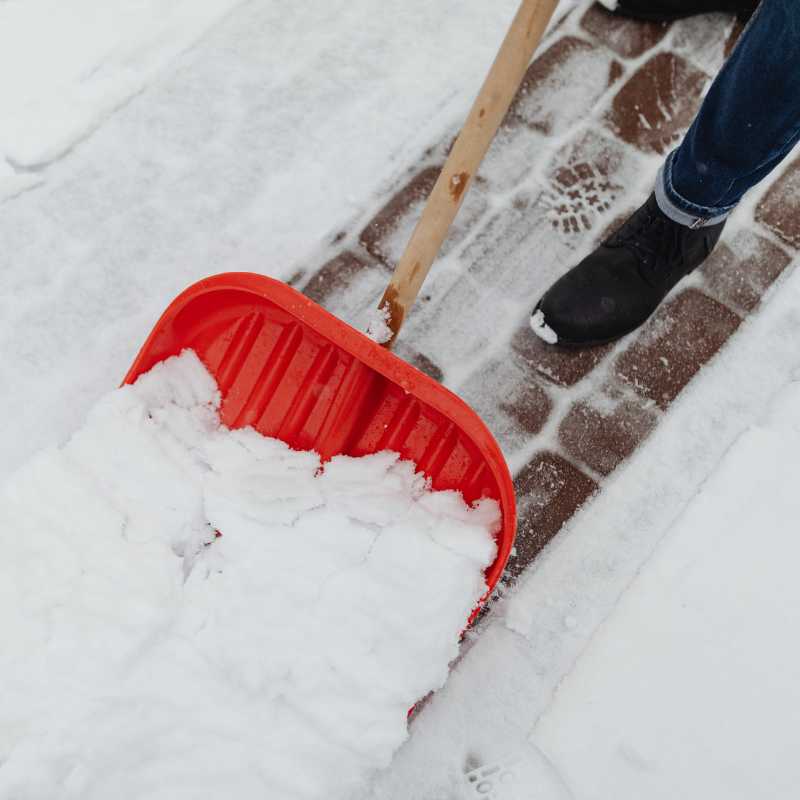
Metal shovels can leave deep scratches. These scratches turn into weak spots when the temperature drops. Water fills those tiny lines, then freezes, and then expands. This causes chips and surface flakes. A plastic shovel or a shovel with a rubber edge is safer and still works very well.
4. Piling Snow Near the Building Wall
Many people push the snow right against the wall to keep the main walkway clear. This may look fine at first, but the melting water can run into the base of the building. This can lead to leaks, mold, or cracks along the foundation. Keep snow piles a little away from the wall so melting water can flow safely away.
5. Pushing Snow into the Street
Some owners think they can move snow onto the road to get it out of the way. This causes problems for drainage and can create a sheet of ice when cars push snow back toward the sidewalk. It also goes against city rules. Snow should be moved to a safe spot on the property, not the street.
6. Forgetting Curb Cuts and Sidewalk Edges
Most slips happen near the curb or the edge of the sidewalk. People step down to cross the street and hit a hidden layer of ice. Many owners only clear the middle of the sidewalk and ignore the edges. Always clear the curb area, the corner, and the spot where water often collects.
7. Letting Melted Water Pool on the Surface
When snow melts during the day, the water needs a clean path to drain. If it pools on the sidewalk, it will freeze again overnight. This makes the surface slippery and also pushes pressure into the concrete. Keep small channels open so water can run to the street drain without trouble.
8. Chipping Ice With Sharp Tools
Some owners try to break ice by hitting it with a hard tool. This gives the ice a good hit but also cracks the sidewalk. Concrete is strong, but not against sharp impact. It is better to loosen ice with warm water or a small amount of de-icing product, then lift it gently with a flat shovel.
9. Not Checking the Sidewalk After a Storm
Many people clear the snow once and think they are done. Snow often melts and refreezes for several days after a storm. This creates new ice that you may not notice right away. A quick check each morning can prevent slips and help you spot early signs of damage. Little cracks can be fixed before they grow larger.
10. Ignoring Warning Signs of Concrete Damage
During winter, concrete can show early signs of trouble. You may see thin cracks, light flaking, or small raised spots. These signs mean the sidewalk is under stress. If you ignore them, they turn into major problems. As a contractor with FY Sidewalk, I can say that early repairs always save money. Quick fixes prevent full slab replacements later.
Final Advice From a Contractor
Keeping your sidewalk safe in winter is not hard. The key is to act early, use the right tools, and understand how snow and ice affect concrete. Snow removal is not only about clearing a path. It is also about protecting the sidewalk from long term damage. When you avoid these common mistakes, your sidewalk stays safer and stronger through the cold months.
If you notice cracks, loose spots, or repeated ice in the same area, it may be a sign of deeper issues. A quick inspection from a sidewalk professional can help you understand the cause and the best fix before things get worse.

