DOT Violation Removal
How to Clear a Sidewalk Violation in NYC
A sidewalk violation, formally a notice of defects, is issued when a NYC DOT inspector finds conditions on your frontage that do not meet city standards. It is not a fine on its own. But it stays attached to your property until the defects are repaired and DOT dismisses it, and an open violation can complicate a sale or a refinance.
Owners generally have 75 days from the notice to make the repairs. If the work is not done, DOT may send its own contractor and bill the property owner, typically at a higher cost than hiring a private contractor. Acting within that window gives you control over the timing, the price, and the quality of the work. It also means you pick the contractor, rather than having the City pick one for you.
What the violation removal process looks like
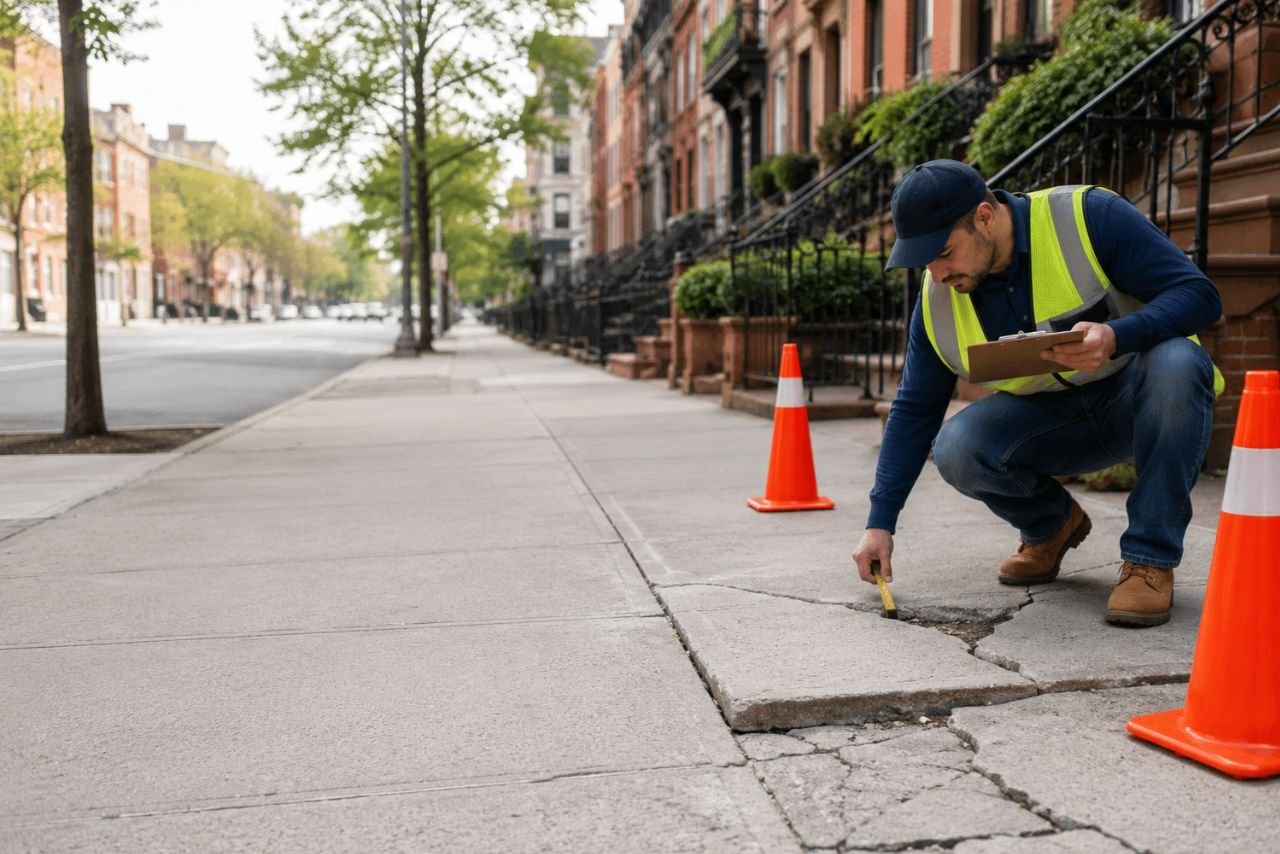
- We review your notice and inspect the sidewalk to confirm each listed defect
- You get a clear estimate before any work begins
- We obtain the DOT sidewalk construction permit
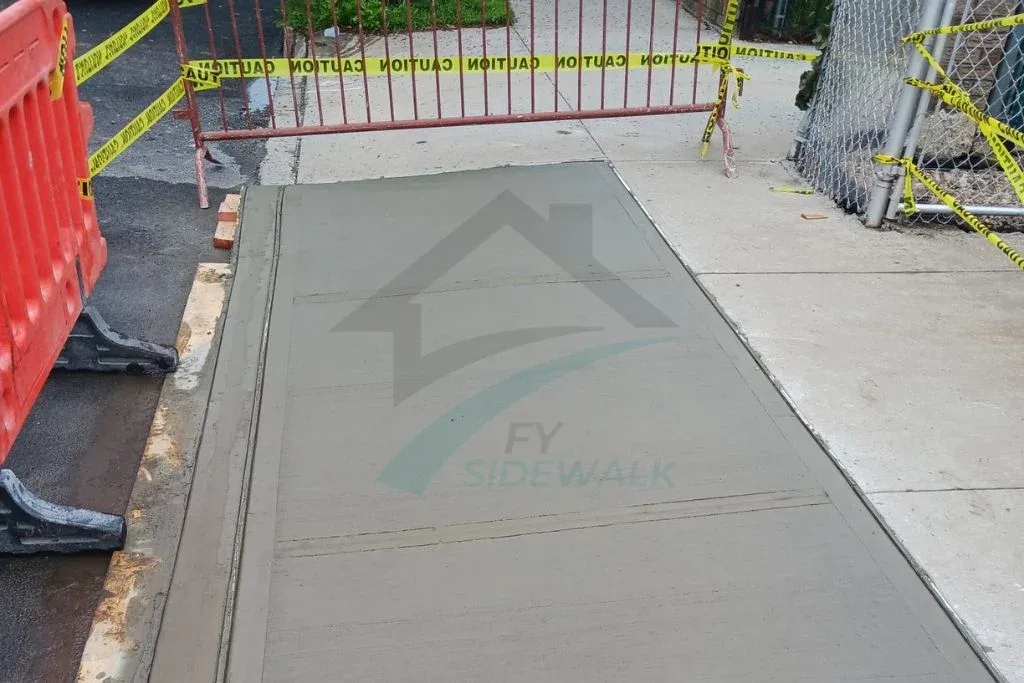
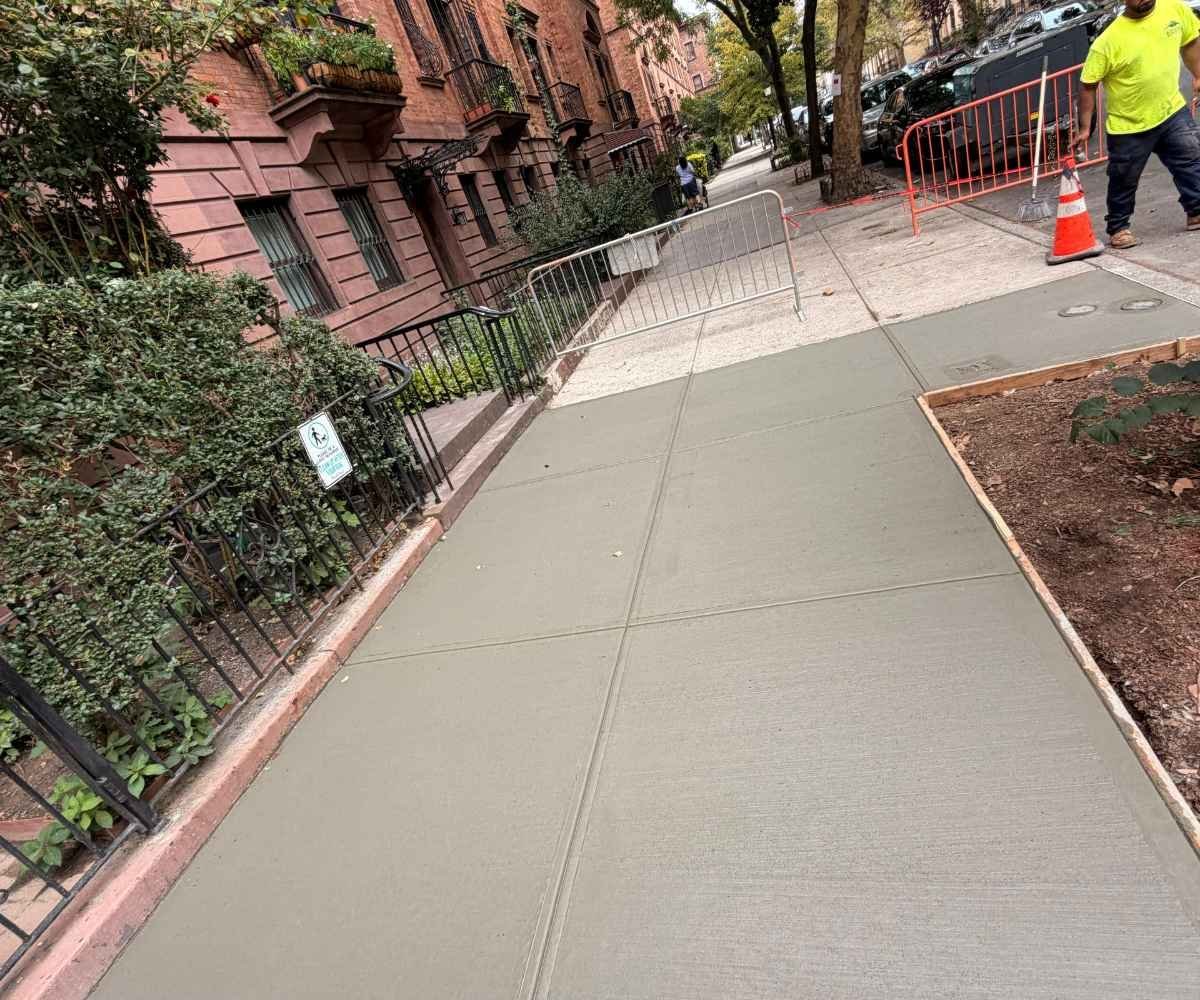
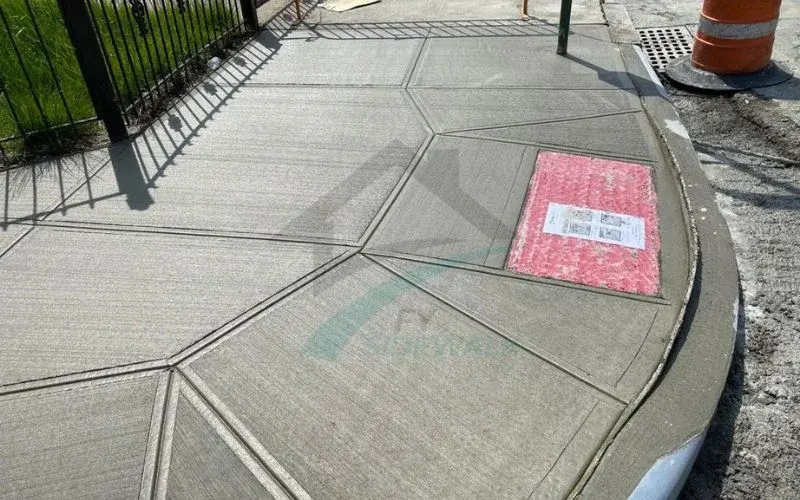
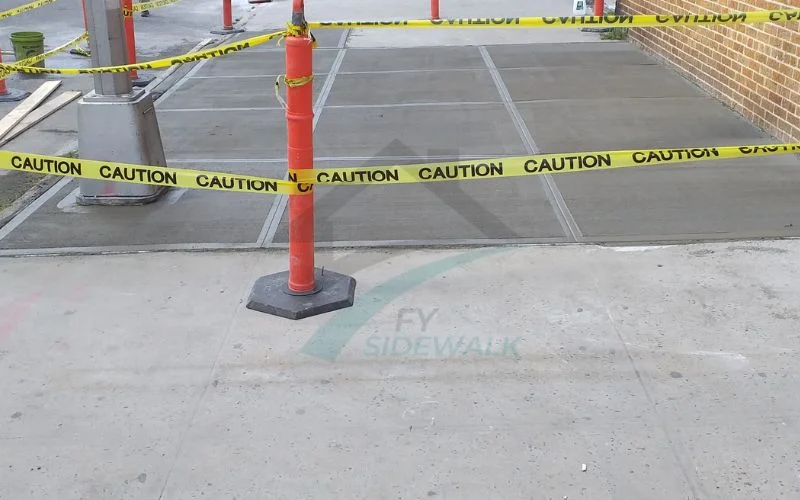
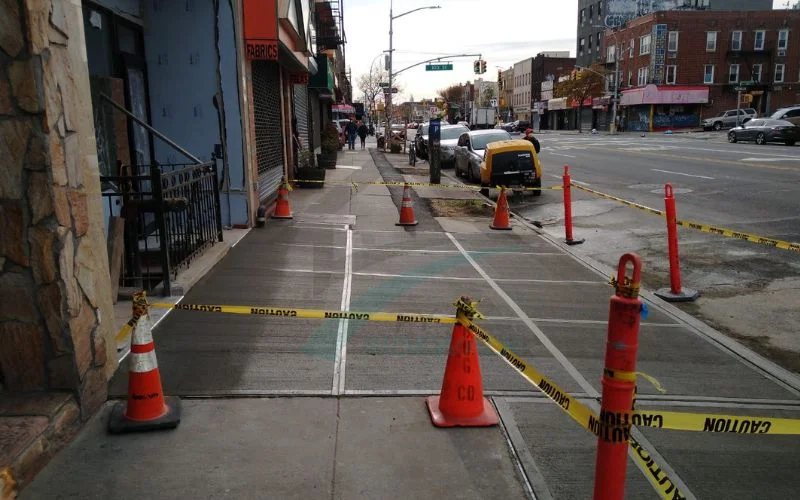
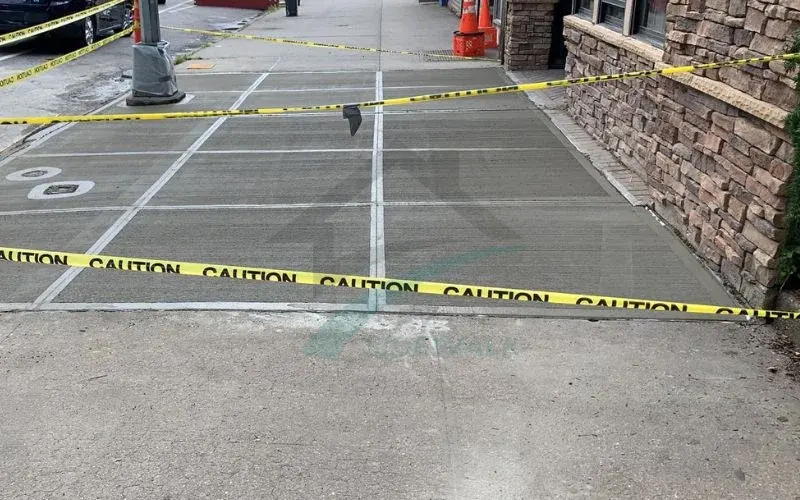
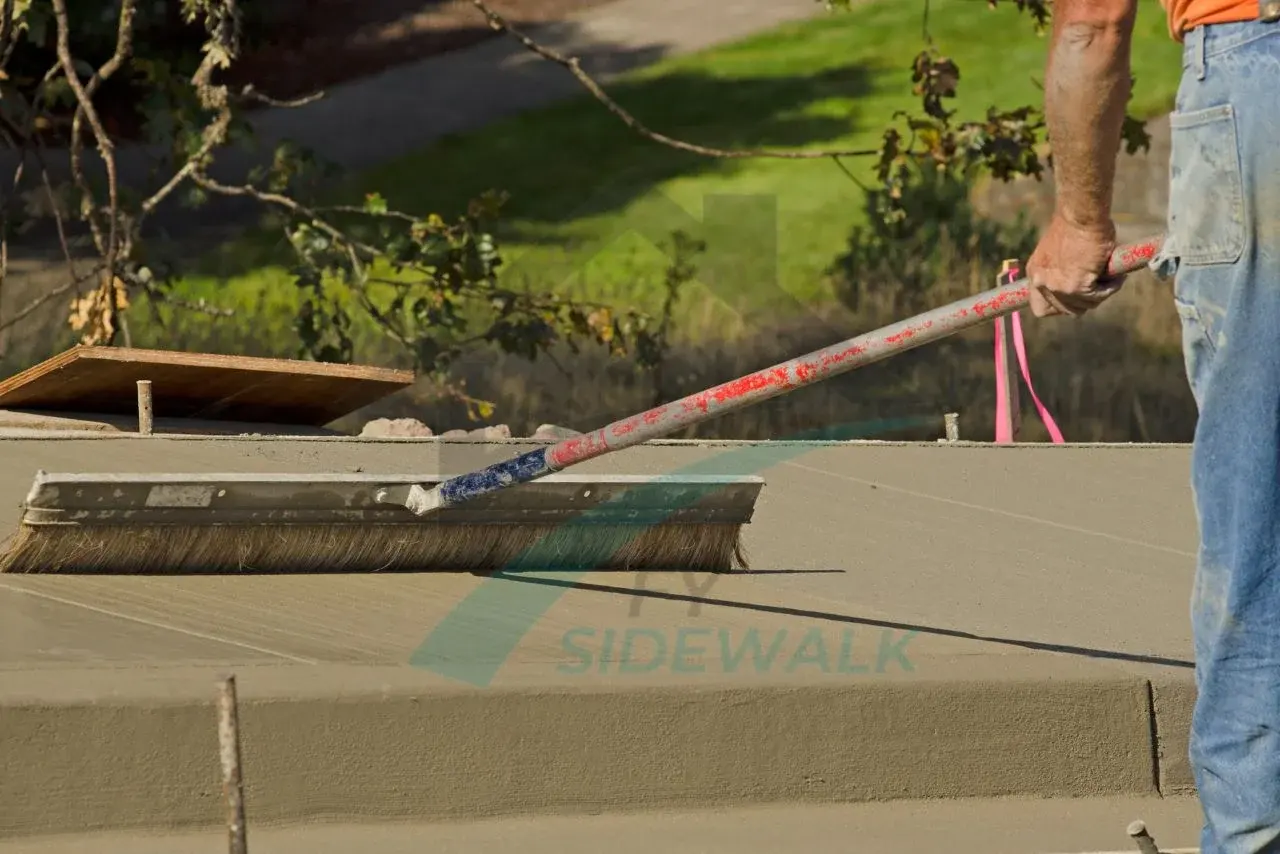
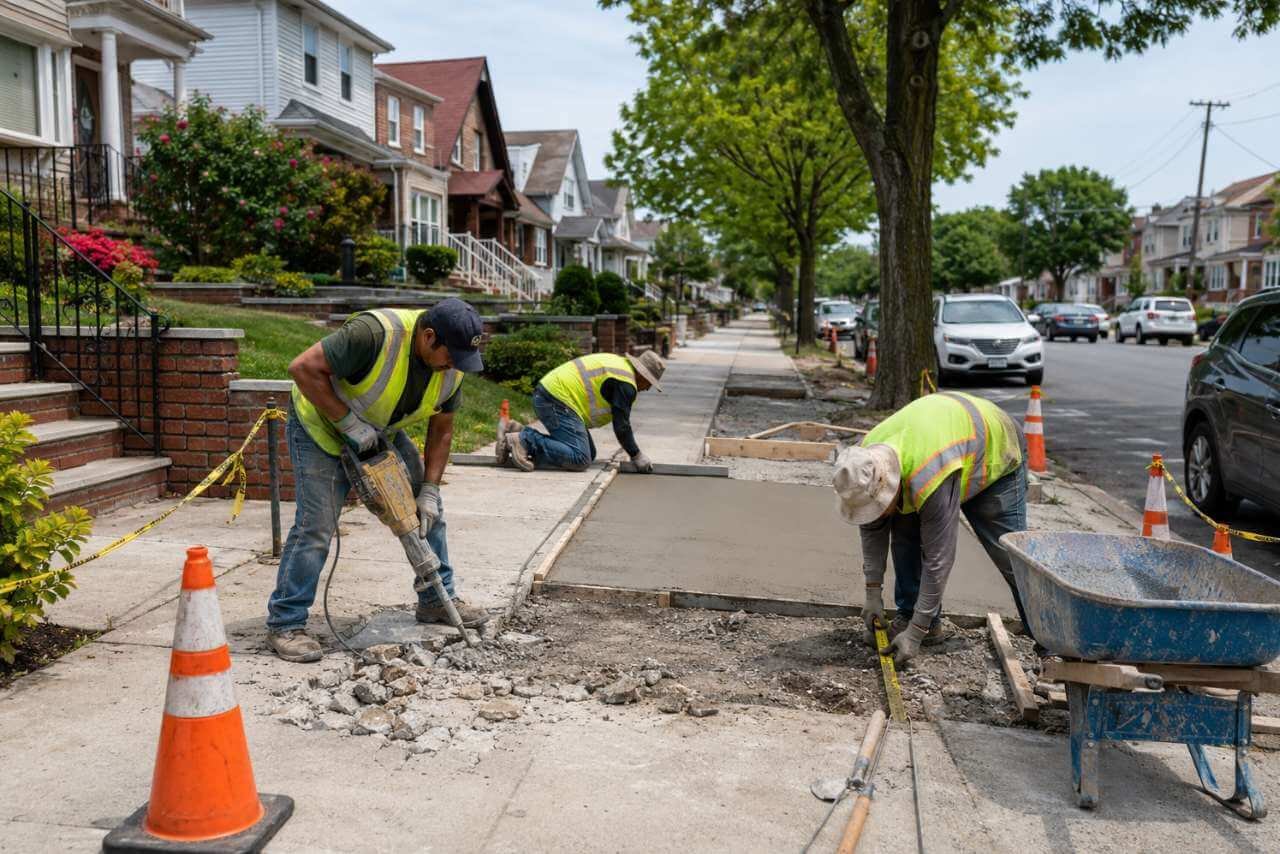
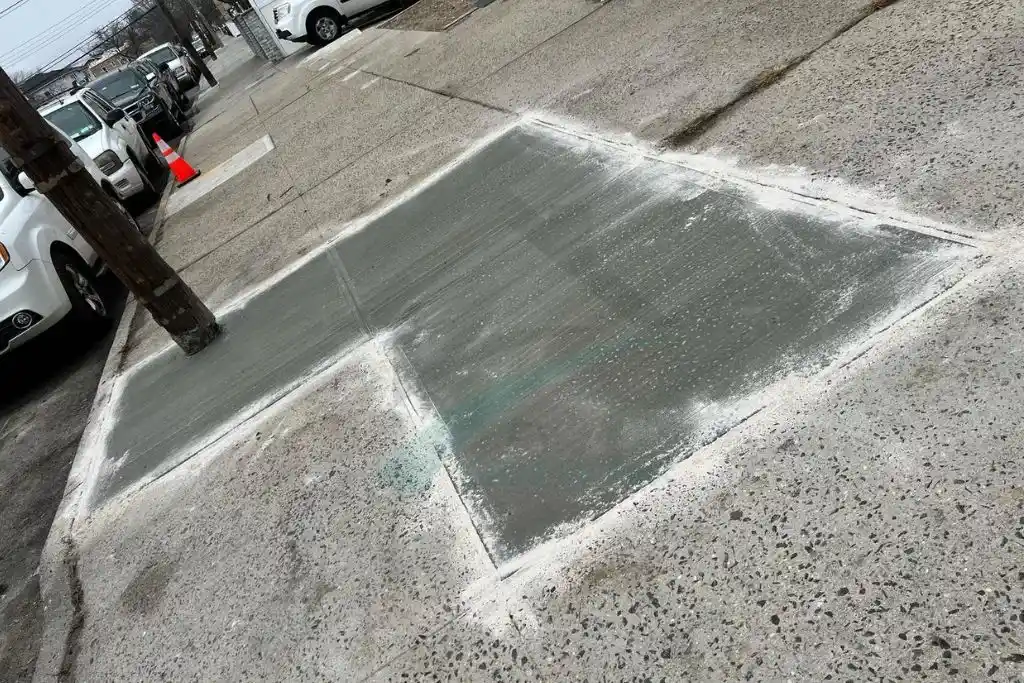
- Our crew repairs the defects to city standards and cleans up the site
- We help you move forward with the DOT dismissal inspection
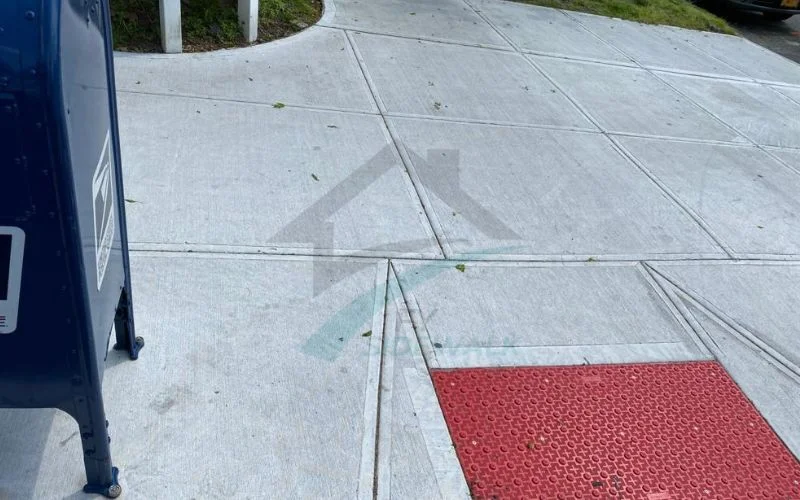
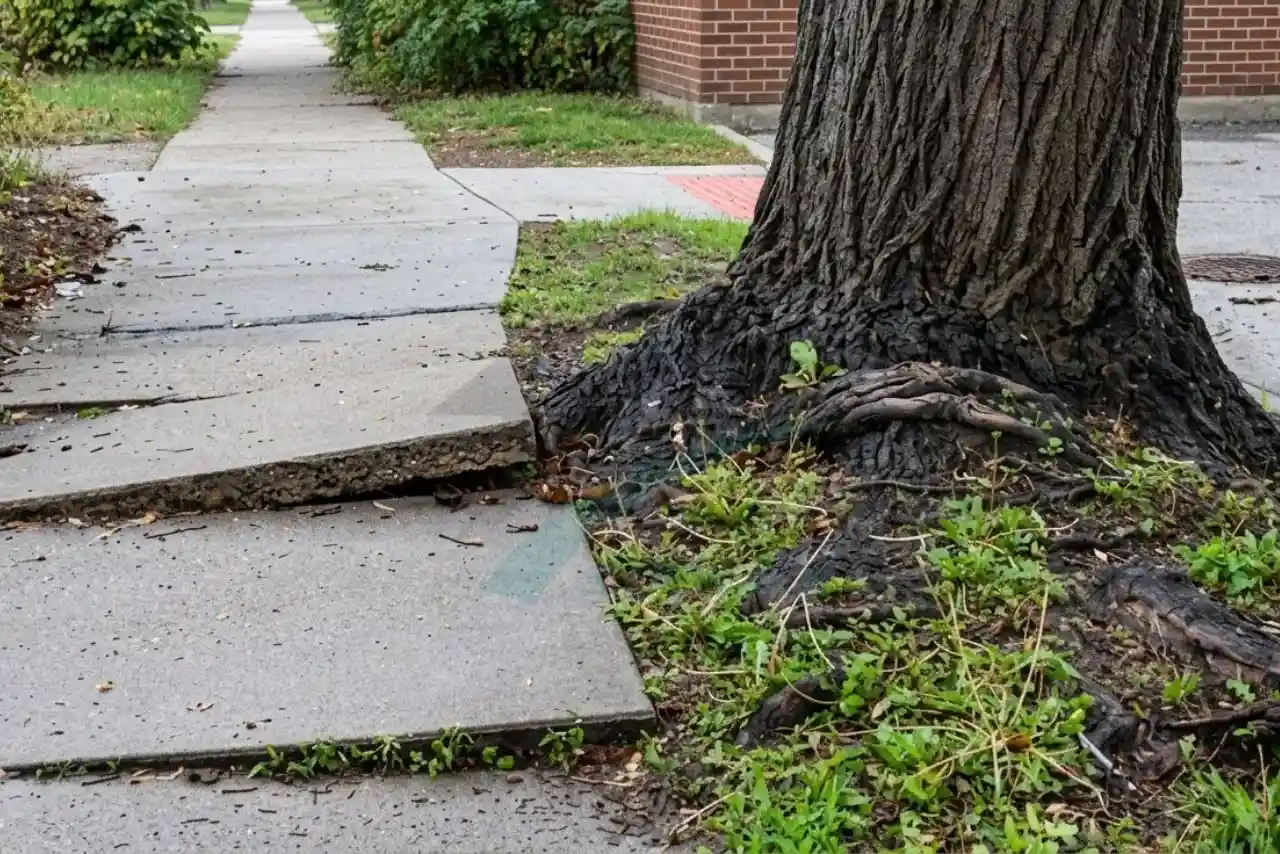
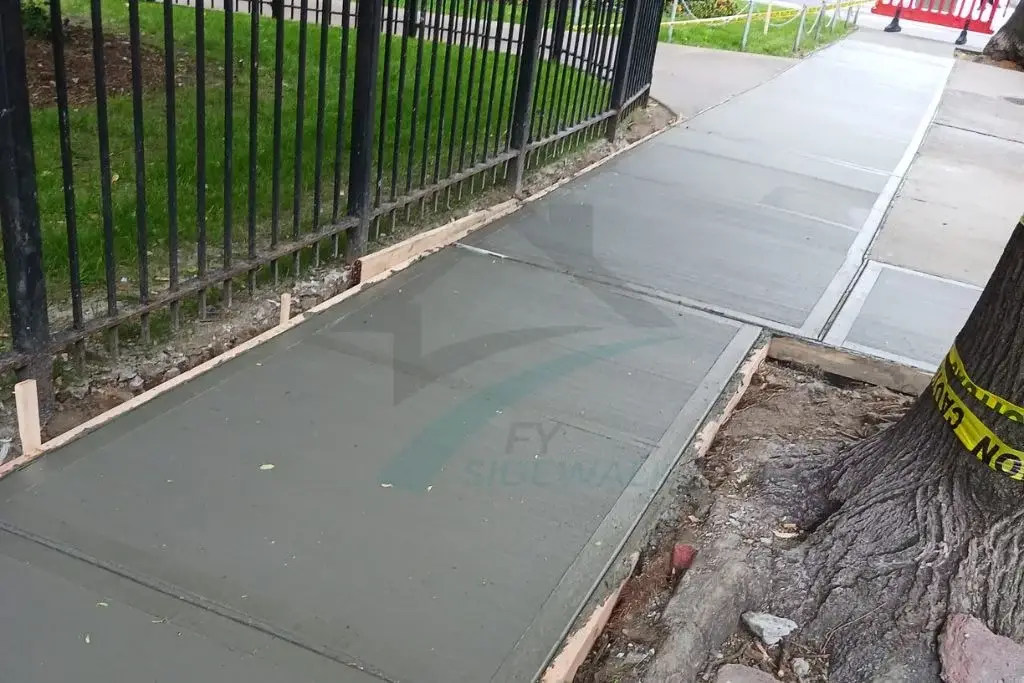
The notice usually lists the defects DOT found, such as trip hazards, cracked or broken flags, loose or missing flags, improper slope, or patchwork that does not meet DOT standards. We walk the frontage with that list in hand. Sometimes the fix is a few flags. Sometimes it makes more sense to replace a larger section because the surrounding concrete is close to failing too. Either way, we explain the options and the cost before you decide.
Permits matter here. A DOT sidewalk construction permit is required before any work starts, roughly $70 for up to 300 linear feet per property, and corner properties may need two. Work done without a permit, or done below standard, can leave the violation open. We handle the permit filing as part of the job, and typical violation repairs are completed within 5–10 business days after permit approval.
Repairing the sidewalk does not close the violation by itself. DOT must perform a dismissal inspection and confirm the work meets its standards. After our work is finished, we help you with the next steps toward that inspection so you are not left guessing. For landlords, co-op boards, and property managers juggling several buildings, having one DOT-approved contractor handle both the repair and the follow-through keeps things moving.